Amongst geographical names, the possessive is discouraged in favour of the plural. Around Kootenay Lake, Johnson’s Landing is officially Johnsons Landing and Queen’s Bay has become Queens Bay — despite no compelling evidence for multiple eponymous Johnsons or Queens.
In ornithology, the possessive still rules when it comes to birds which have been named to commemorate the work of naturalists from earlier times.
I pondered this last Sunday while watching three species with apostrophes in their names: Say’s Phoebe, Brewer’s Blackbird, and Barrow’s Goldeneye.
The first two pictures shown below were taken during this observation, but to these are added some other local apostrophized birds that I have photographed over the years.
I do wonder if birds named after people will be the apostrophe’s last bastion.
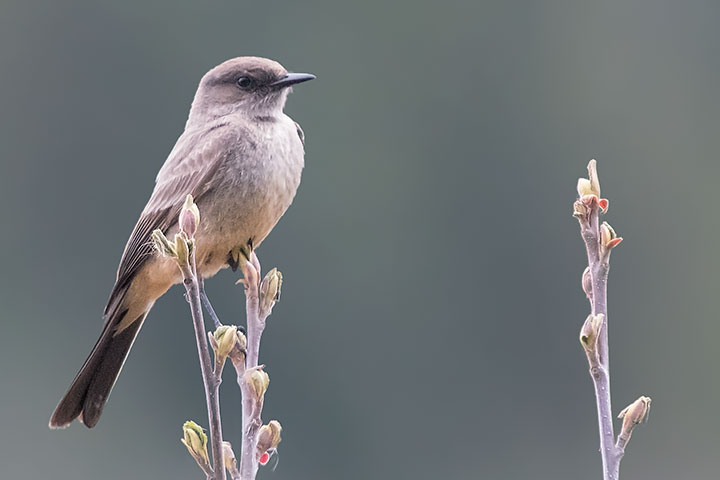
Say’s Phoebe was named for Thomas Say (1787 – 1834), an American naturalist.
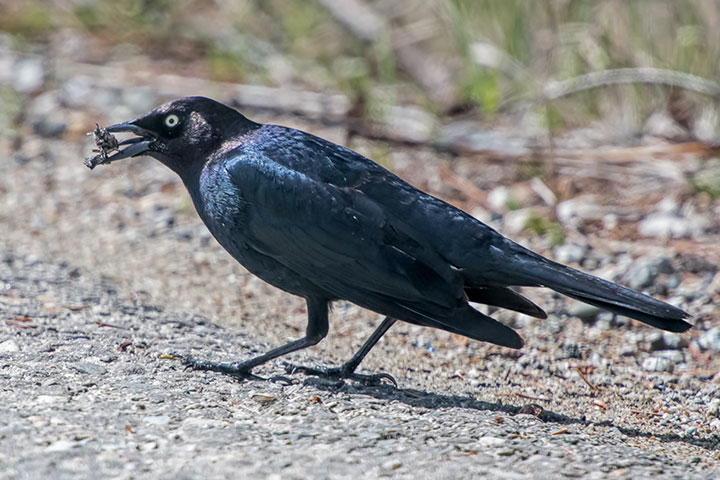
Brewer’s Blackbird was named for Thomas Mayo Brewer (1814 – 1880), an American naturalist.
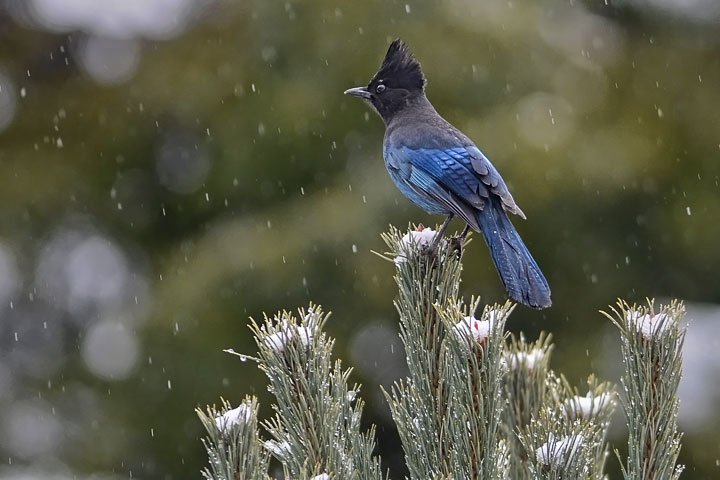
Steller’s Jay, which is the provincial bird of British Columbia, was named for Georg Wilhelm Steller (1709 – 1746), a German naturalist.
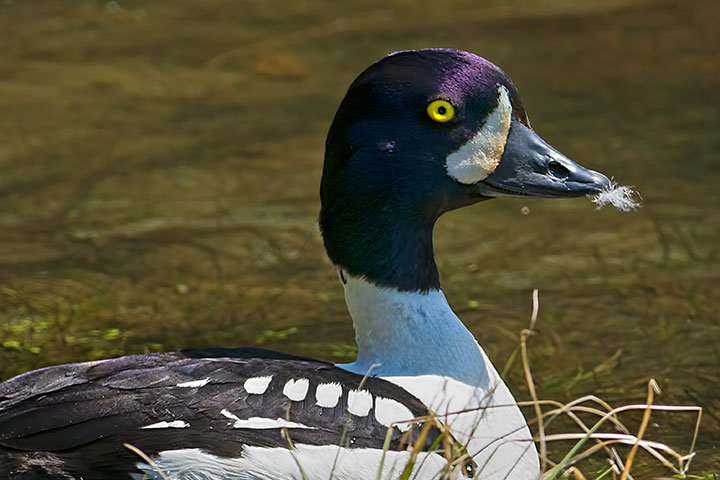
Barrow’s Goldeneye was named for Sir John Barrow (1764 – 1848), an English statesman.
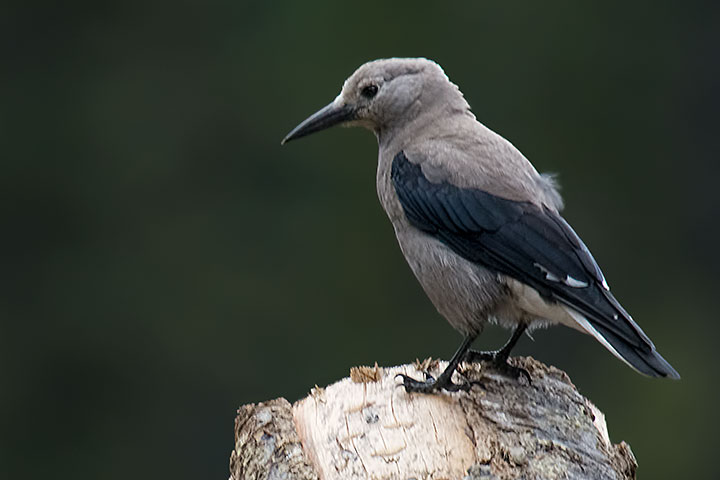
Clark’s Nutcracker was named for William Clark (1770 – 1838), an American explorer, and territorial governor.
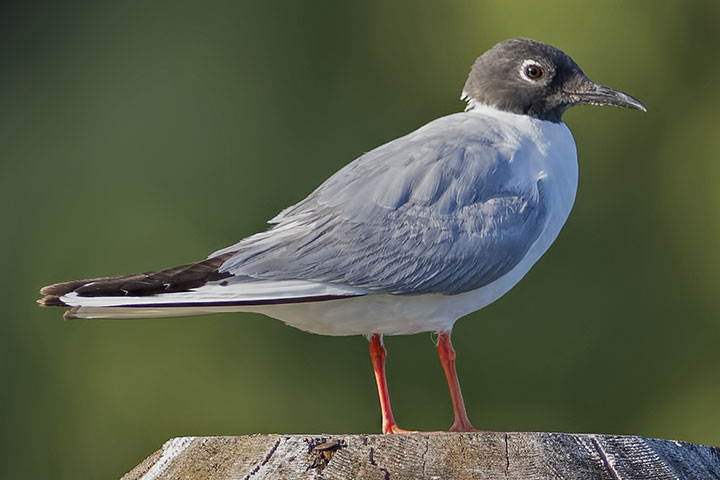
Bonaparte’s Gull was named for Charles Lucien Bonaparte (1803 – 1857), a French ornithologist, and nephew of Emperor Napoleon Bonaparte.
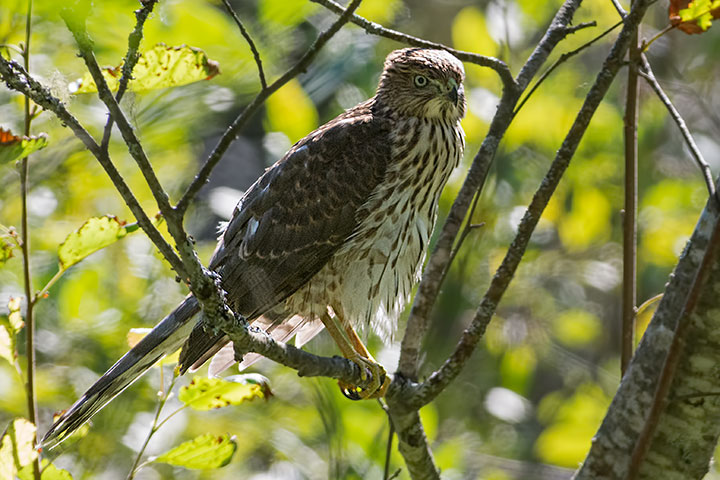
Cooper’s Hawk (this is a juvenile) was named for William Cooper (1798–1864), an American naturalist.
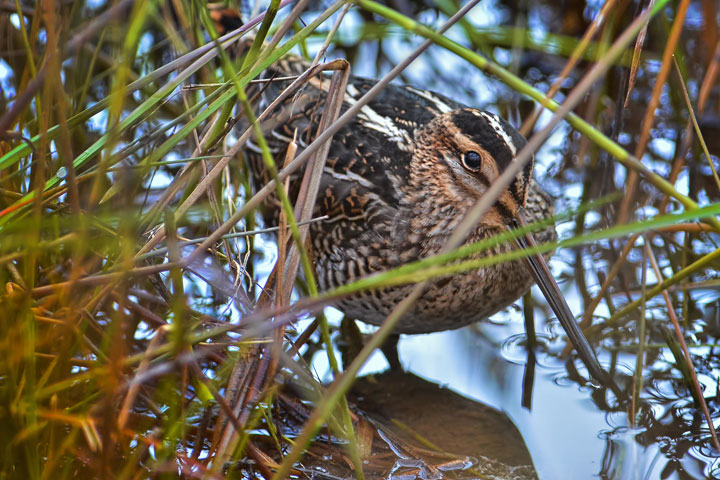
Wilson’s Snipe was named for Alexander Wilson (1766 – 1813), a Scottish-American naturalist.
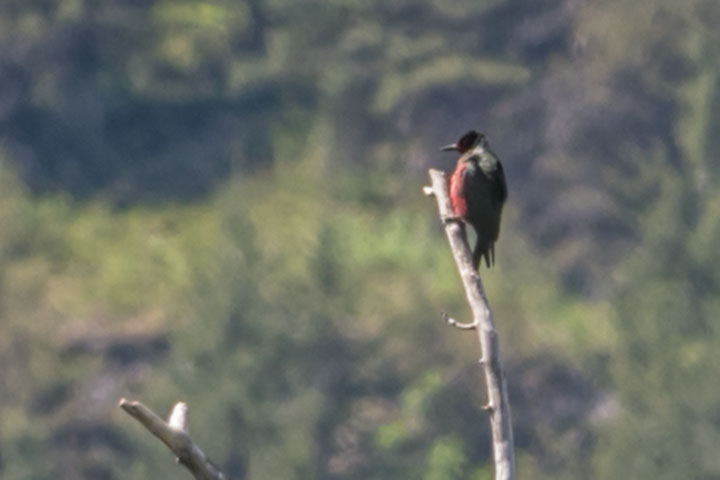
Lewis’s Woodpecker was named for Meriwether Lewis (1774 – 1809), best known as a leader of the Lewis and Clark Expedition to the American west (1804 – 1806).
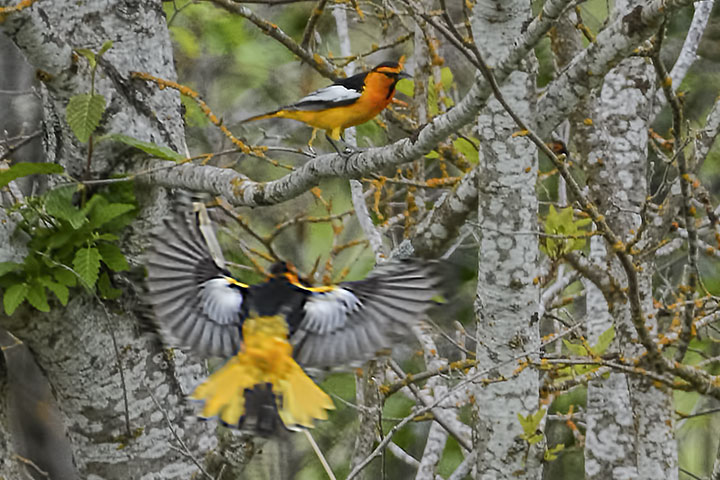
Bullock’s Oriole was named for William Bullock (1773 – 1849), an English naturalist.
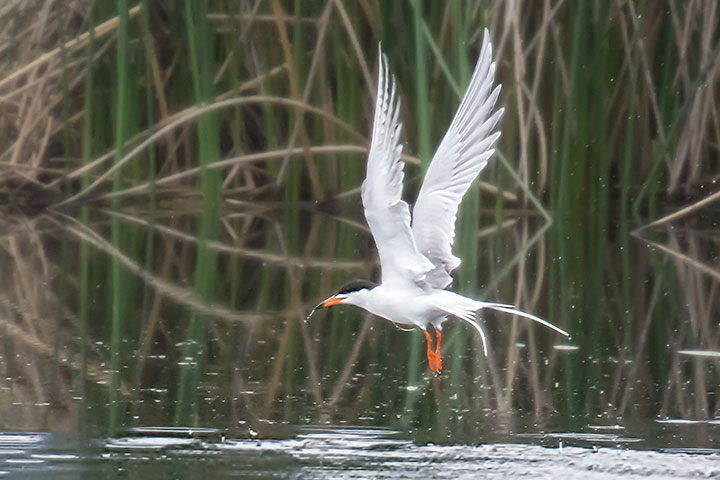
Forster’s Turn was named for Johann Reinhold Forster (1729 – 1798), the naturalist on Captain Cook’s second voyage to the Pacific.
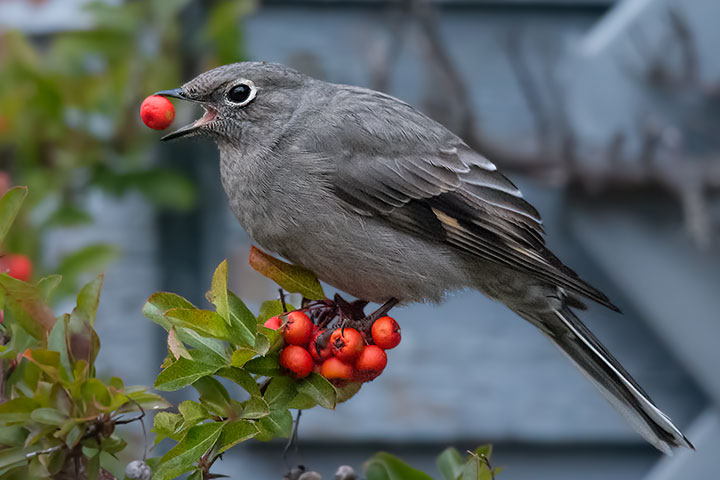
Townsend’s Solitaire was named for John Kirk Townsend (1809 – 1851), an American naturalist.
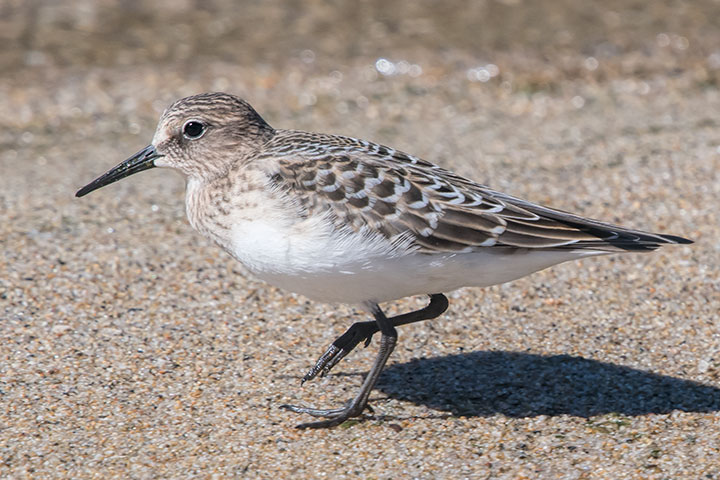
Baird’s Sandpiper was named for Spencer Fullerton Baird (1823 – 1887), an American naturalist.
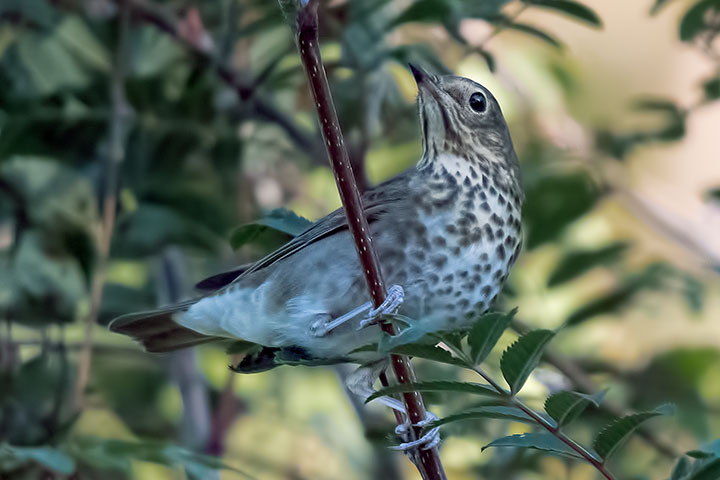
Swainson’s Thrush was named for William Swainson (1789 – 1855), an English ornithologist.
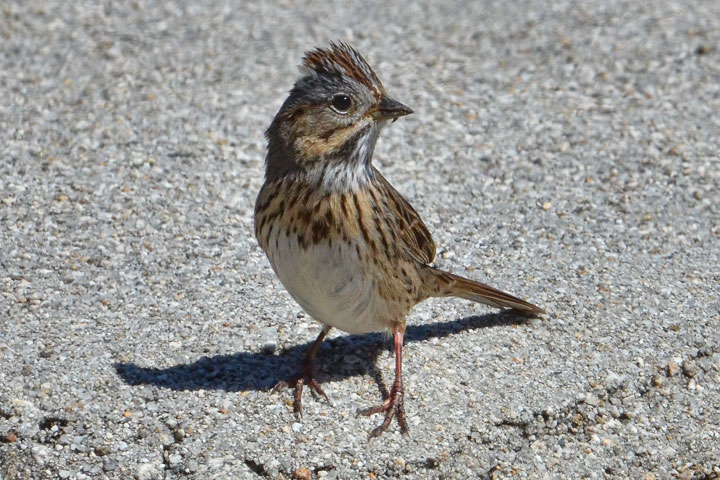
Lincoln’s Sparrow was named for Thomas Lincoln (early 19th century), by his friend James Audubon for no better reason than that he had shot the bird.


Apostrophe’s last bastion
Amongst geographical names, the possessive is discouraged in favour of the plural. Around Kootenay Lake, Johnson’s Landing is officially Johnsons Landing and Queen’s Bay has become Queens Bay — despite no compelling evidence for multiple eponymous Johnsons or Queens.
In ornithology, the possessive still rules when it comes to birds which have been named to commemorate the work of naturalists from earlier times.
I pondered this last Sunday while watching three species with apostrophes in their names: Say’s Phoebe, Brewer’s Blackbird, and Barrow’s Goldeneye.
The first two pictures shown below were taken during this observation, but to these are added some other local apostrophized birds that I have photographed over the years.
I do wonder if birds named after people will be the apostrophe’s last bastion.
Say’s Phoebe was named for Thomas Say (1787 – 1834), an American naturalist.

Brewer’s Blackbird was named for Thomas Mayo Brewer (1814 – 1880), an American naturalist.

Steller’s Jay, which is the provincial bird of British Columbia, was named for Georg Wilhelm Steller (1709 – 1746), a German naturalist.

Barrow’s Goldeneye was named for Sir John Barrow (1764 – 1848), an English statesman.

Clark’s Nutcracker was named for William Clark (1770 – 1838), an American explorer, and territorial governor.

Bonaparte’s Gull was named for Charles Lucien Bonaparte (1803 – 1857), a French ornithologist, and nephew of Emperor Napoleon Bonaparte.

Cooper’s Hawk (this is a juvenile) was named for William Cooper (1798–1864), an American naturalist.

Wilson’s Snipe was named for Alexander Wilson (1766 – 1813), a Scottish-American naturalist.

Lewis’s Woodpecker was named for Meriwether Lewis (1774 – 1809), best known as a leader of the Lewis and Clark Expedition to the American west (1804 – 1806).

Bullock’s Oriole was named for William Bullock (1773 – 1849), an English naturalist.

Forster’s Turn was named for Johann Reinhold Forster (1729 – 1798), the naturalist on Captain Cook’s second voyage to the Pacific.

Townsend’s Solitaire was named for John Kirk Townsend (1809 – 1851), an American naturalist.

Baird’s Sandpiper was named for Spencer Fullerton Baird (1823 – 1887), an American naturalist.

Swainson’s Thrush was named for William Swainson (1789 – 1855), an English ornithologist.

Lincoln’s Sparrow was named for Thomas Lincoln (early 19th century), by his friend James Audubon for no better reason than that he had shot the bird.
