Apostrophe’s last bastion


Amongst geographical names, the possessive is discouraged in favour of the plural. Around Kootenay Lake, Johnson’s Landing is officially Johnsons Landing and Queen’s Bay has become Queens Bay — despite no compelling evidence for multiple eponymous Johnsons or Queens.

In ornithology, the possessive still rules when it comes to birds which have been named to commemorate the work of naturalists from earlier times.

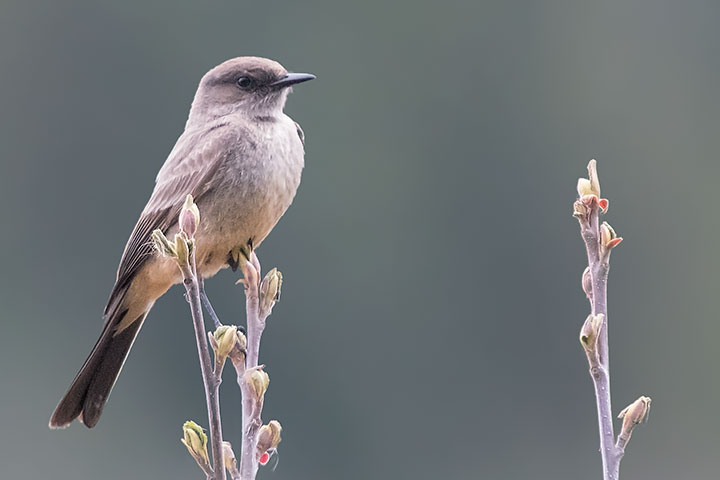
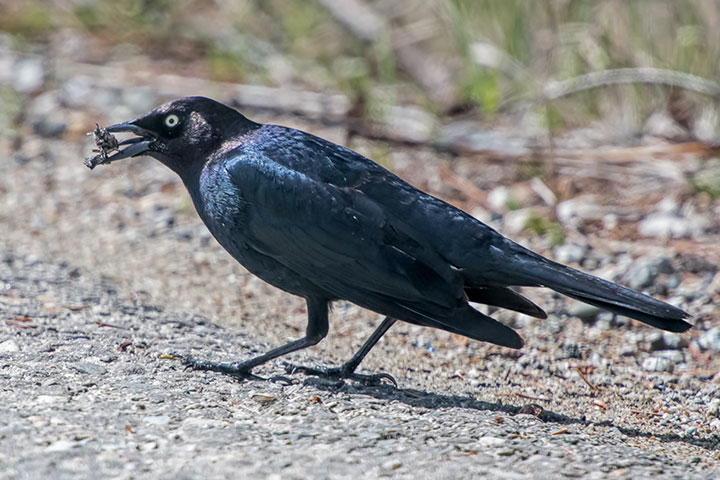
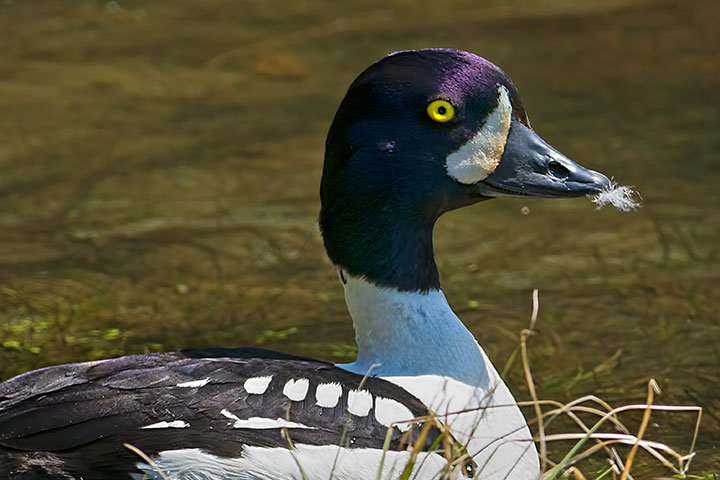
I pondered this last Sunday while watching three species with apostrophes in their names: Say’s Phoebe, Brewer’s Blackbird, and Barrow’s Goldeneye.

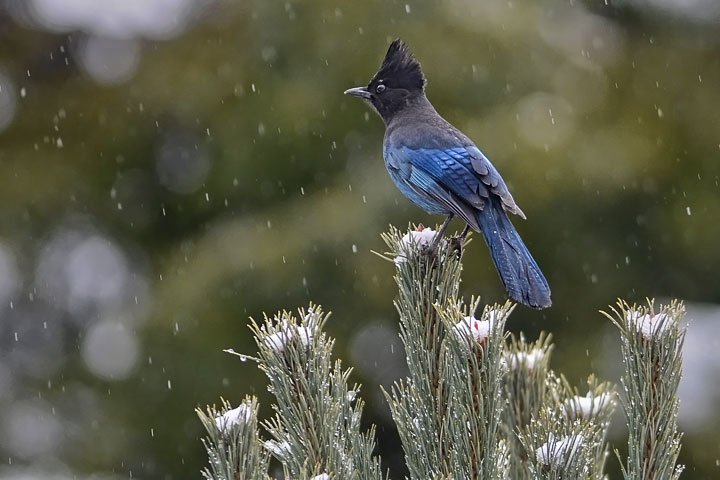
The first two pictures shown below were taken during this observation, but to these are added some other local apostrophized birds that I have photographed over the years.

I do wonder if birds named after people will be the apostrophe’s last bastion. 

Say’s Phoebe was named for Thomas Say (1787 – 1834), an American naturalist.
Brewer’s Blackbird was named for Thomas Mayo Brewer (1814 – 1880), an American naturalist.
Steller’s Jay, which is the provincial bird of British Columbia, was named for Georg Wilhelm Steller (1709 – 1746), a German naturalist.
Barrow’s Goldeneye was named for Sir John Barrow (1764 – 1848), an English statesman.
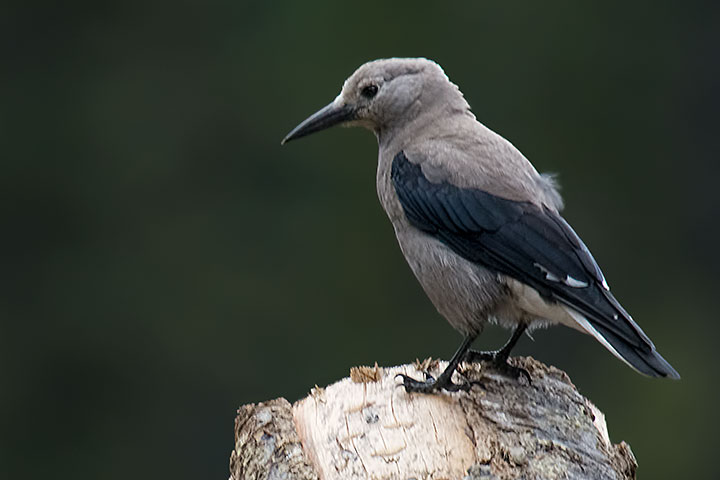
Clark’s Nutcracker was named for William Clark (1770 – 1838), an American explorer, and territorial governor.
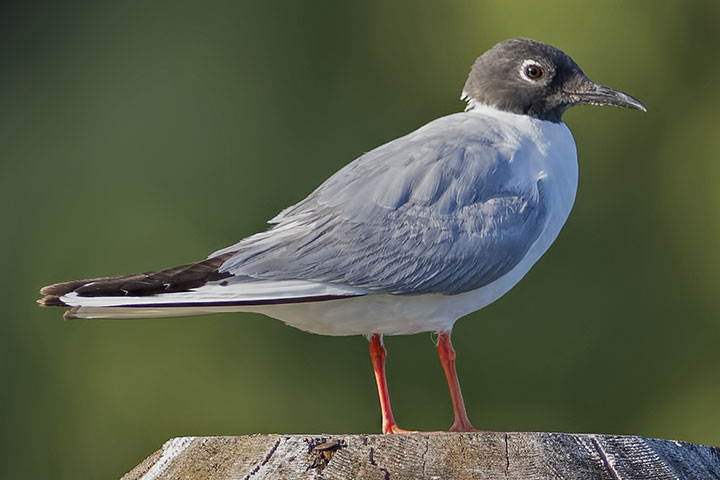
Bonaparte’s Gull was named for Charles Lucien Bonaparte (1803 – 1857), a French ornithologist, and nephew of Emperor Napoleon Bonaparte.
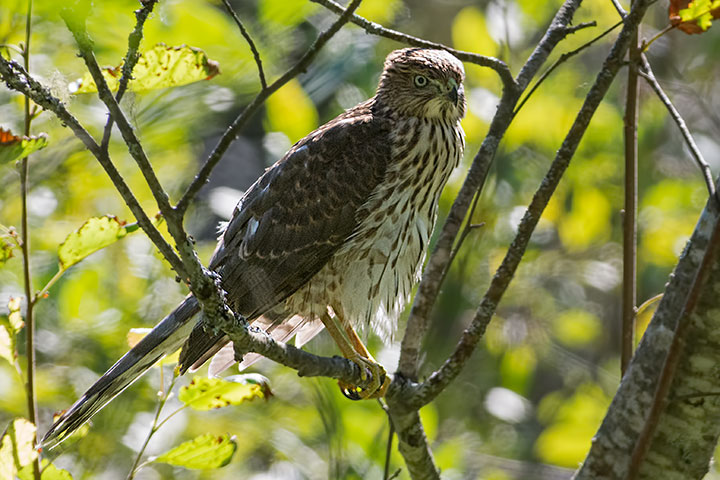
Cooper’s Hawk (this is a juvenile) was named for William Cooper (1798–1864), an American naturalist.
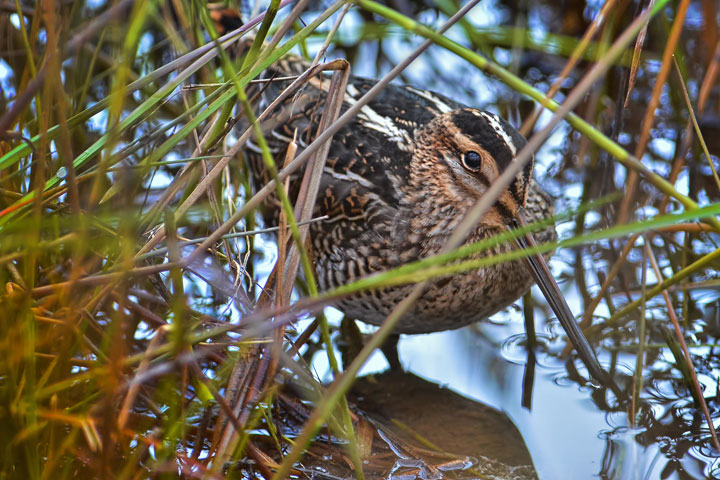
Wilson’s Snipe was named for Alexander Wilson (1766 – 1813), a Scottish-American naturalist.
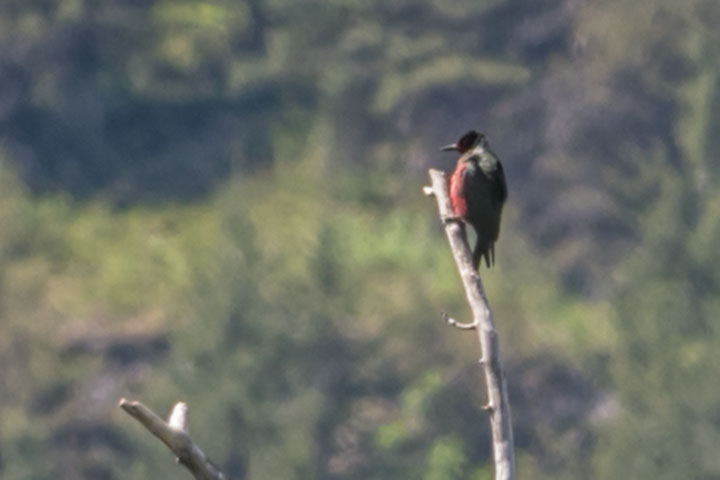
Lewis’s Woodpecker was named for Meriwether Lewis (1774 – 1809), best known as a leader of the Lewis and Clark Expedition to the American west (1804 – 1806).
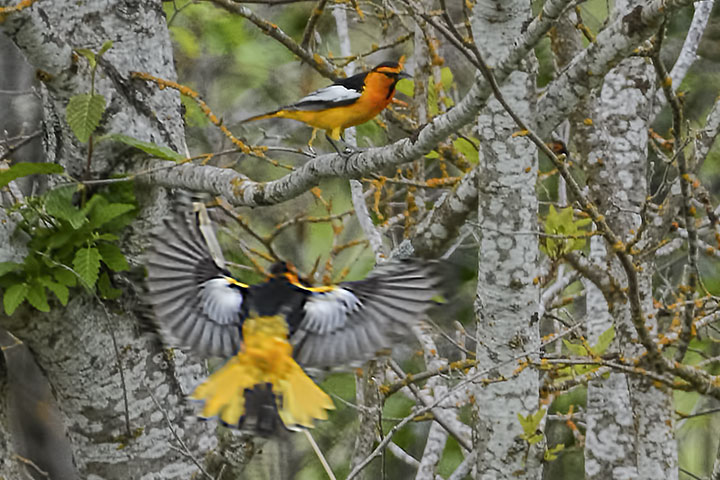
Bullock’s Oriole was named for William Bullock (1773 – 1849), an English naturalist.
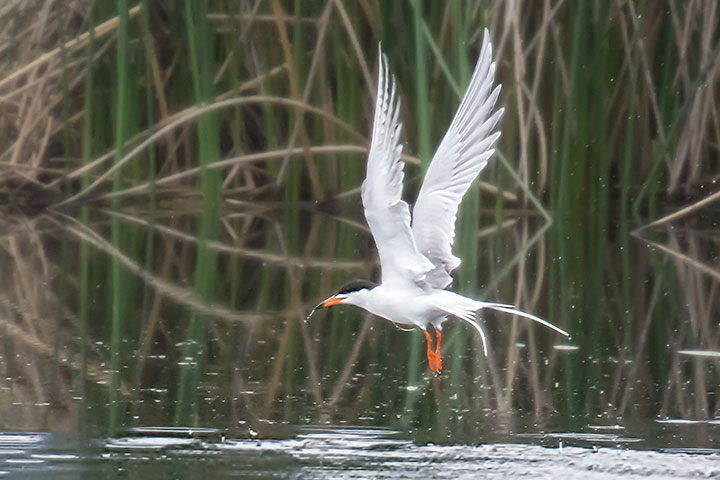
Forster’s Turn was named for Johann Reinhold Forster (1729 – 1798), the naturalist on Captain Cook’s second voyage to the Pacific.
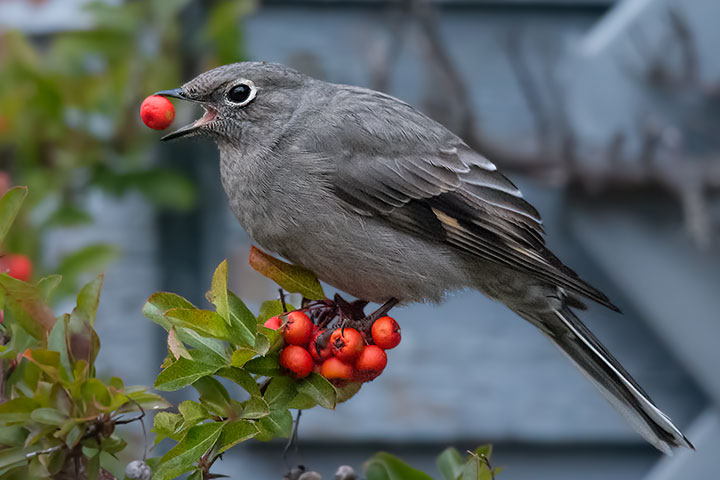
Townsend’s Solitaire was named for John Kirk Townsend (1809 – 1851), an American naturalist.
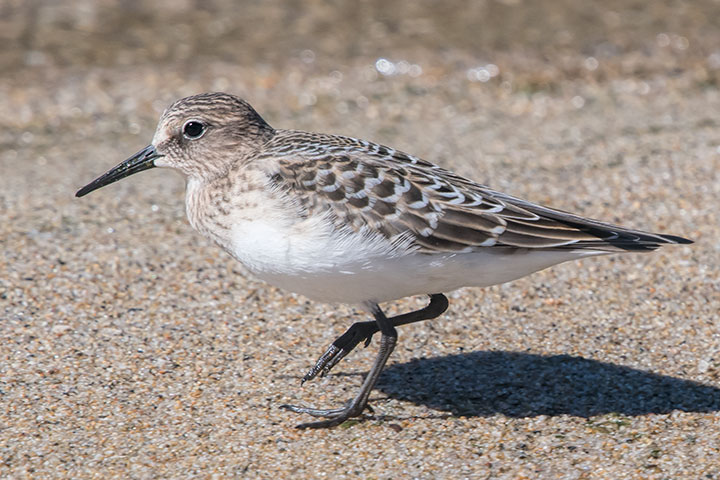
Baird’s Sandpiper was named for Spencer Fullerton Baird (1823 – 1887), an American naturalist.
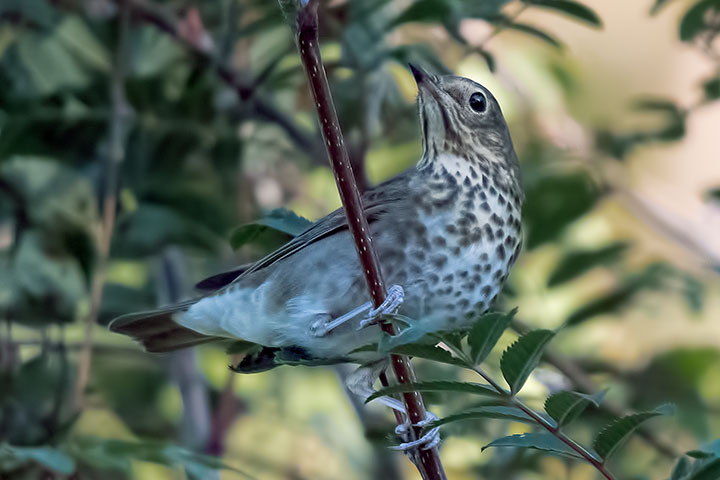
Swainson’s Thrush was named for William Swainson (1789 – 1855), an English ornithologist.
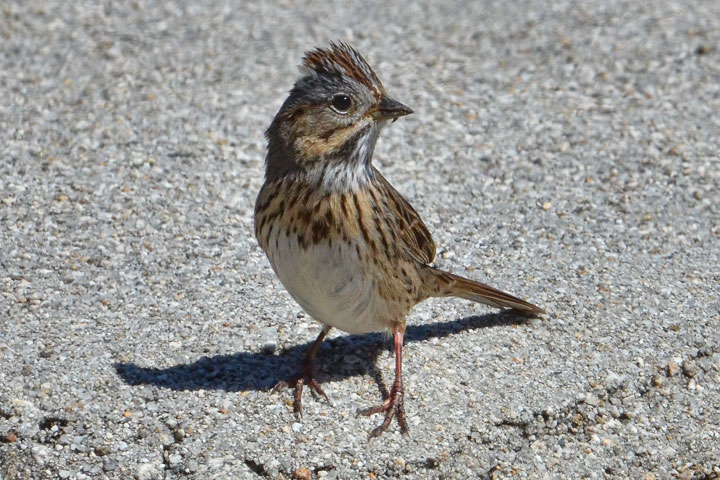
Lincoln’s Sparrow was named for Thomas Lincoln (early 19th century), by his friend James Audubon for no better reason than that he had shot the bird.
Posted in birds, commentary | 6 Comments

Peculiar duck names


Sometimes the name given a duck seems rather odd. 

This is the Ring-necked Duck, female left, male right. If one were to pick a name based upon a striking appearance, the white ring around the male’s bill would seem a good choice. But no, the duck is named for the rarely visible tawny ring at the base of the male’s neck. 

An outstanding feature of the Northern Shoveler is its enormous bill. The duck sweeps the bill through the surface waters of ponds to feed on invertebrates and seeds. It doesn’t seem to shovel the water, at least as we would normally use the term, nor does the bill look like a shovel — at least when seen from the side. Here three males and one (obscured) female fly by.

When seen from above or below, the spreading of the bill’s end makes the word, shovel, more apt, as is another name for the bird, a spoonbill.

Posted in birds | 3 Comments

April goulash


This is a month’s end collection of images, none of which has had a posting of its own.

A Bald Eagle brings sticks to enlarge its nest.

A Columbian Ground Squirrel does sentry duty beside its burrow.

My hare in residence continues its moult to its summer coat.

The Pacific Wren is easy to hear, but somewhat harder to find and photograph.

Although still common around the Lake, the Bufflehead Duck will soon head north to breed.

Three Green-winged Teals fly by.

A somewhat uncommon bird at any time, the Brown Creeper is more likely seen in winter.

A Ruby-crowned Kinglet is at home navigating thick brush.

Painted Turtles have taken over a new pond.

Posted in birds, herptiles, mammals | 7 Comments

Black & white


Forestation and colour: Last year’s posting illustrated both local habitat and dorsal colouring: magpie preferences.

Magpies prefer open country with a sprinkling of trees. This makes them distinctly uncommon in the heavily forested lands around the Lake. While on a walk, it was unexpected for me to encounter a group of perhaps a dozen Black-billed Magpies. 

Recording pictures of perched magpies was easy; capturing a picture of one flying far from a perch proved to be more difficult. This is the best I managed.

The ventral surface of a flying magpie is a study in black and white.

Posted in birds | 2 Comments

Two portraits


While the naturalist in me likes to explore interesting behaviours — Ogopogo, planing, katabatic winds — the photographer in me just likes to take portraits — eagle, otter family, black grizzly.

Here are two portraits from two days ago.

Surely our most vocal wild mammalian companion, the Red Squirrel, will vigorously denounce all human interlopers. Usually seen on a distant branch, on this occasion, a squirrel dropped down beside me and we stared at each other only long enough for me to capture a portrait.

A decade ago, I only saw Merlins about three kilometres east of my home. Then they shifted a bit closer. This year, one has chosen to hunt right here. Consequently, this falcon has made a stunning difference in the presence of smaller birds: Many now just avoid my property as being far too risky. The compensation is a really close view of a Merlin. Easily seen in this side view of the beak is the tomial (i.e., cutting) tooth. The tooth (and its matching notch on the lower mandible) is a characteristic of falcons and is used to bite through the cervical vertebrae and so sever the spinal cord of their prey.

Posted in birds, mammals | 7 Comments

Plane harassment


No, the title does not contain a spelling mistake. I really do mean plane, not plain

This was an observation that would warm the cockles of the heart of any bird behaviourist: two male Common Mergansers were competing in their harassment of a female — and doing so while all were planing. 

About the harassment: This is the breeding season and the males chased the female back and forth across the water before mating. The mating took place behind a dock, but subsequent behaviour made it clear what had happened. I will let the pictures speak for themselves on the issue of harassment, and concentrate on the feat of planing.

When moving across a water surface, most birds, mammals, and boats are in displacement mode: they are supported primarily by buoyancy. Their speed is effectively limited by (what is known as) their hull speed. Some birds have the power to temporarily plane, just as can some recreational boats. (Among adult birds, those with the power to plane seem to be mainly divers.)

When planing, a bird or boat is supported primarily by the rush of the water against its tipped-up body. For a boat to plane, there also needs to be a sharp transition between the bottom of the hull and the transom to force a separation of the water flowing underneath. A bird has a rounded butt, which normally would prevent planing. However, when a bird wants to plane, it changes its shape by forcing its tail down into the water to create the necessary sharp transition. 

Male mergansers harass a female while all plane. Bodies are tipped up and tails are pressed down.

Planing is hard work. Sometimes when a bird tires, wings are used for supplemental power.

Posted in birds | 1 Comment

Budding buck


A deer’s antlers are regrown each year. They start in the spring as buds and grow quickly to full size in about four months. This morning’s white-tailed buck shows only a few day’s growth. Indeed, the growth is about the same as that of a moose posted eleven months ago.

Posted in mammals | 2 Comments

Friends in residence


I generally try to sample delights throughout the neighbourhood of Kootenay Lake — a rather substantial area. However, the neighbourhood sampled for today’s posting is rather constrained: things seen in or from my yard over the last few days. Of course, there have been the usual collection of yard birds: Steller’s Jay, Black-capped Chickadee, Song Sparrow, Northern Flicker, Tree Swallow, Bufflehead, Common Merganser, and Robin. Here are a few others. 

That so much wildlife is willing to share its space with me is reason enough to live here. 

I usually think of Mallards as being fairly gentle creatures, so this couple’s recent behaviour was unexpected. A few weeks ago, two Mallard couples would visit. Then the male of one couple was killed (by what, I don’t know) and a Merlin had it for breakfast. That left its female partner to fend for herself. This couple have mercilessly abused her. Each has attacked her and driven her off from good feeding spots, even to the extent of ripping out some of her feathers. Apparently, they want to preserve the resources for the development of their own chicks, not hers.

A White-tailed Doe and her two yearling fawns are frequent visitors.

The Snowshoe Hare seen earlier about my yard is continuing its moult into its summer coat.

It will be interesting to watch a Canada Goose sitting on her nest in the open. I look forward to the emergence of the chicks.

The Merlin that ate the Mallard has appeared repeatedly atop a tree and spent its time making a call that I had not heard before. Another Merlin responded to it and they mated (twice). It seems that this Merlin was a female seeking some company.

Now and then, I see a Ruffed Grouse in my yard. This one looked as if it might be nesting. Alas, it has not been seen there since.

Clearly, not in my yard, but seen from it at dawn, a Common Loon languidly drifts along the Lake.

Posted in birds, mammals | 3 Comments

Eagle hovering


Little birds can hover, but not soar; big birds can soar, but not hover. 

By hovering, I mean (what is called) true hovering: staying aloft by flapping rather than by moving horizontally through the air and doing so for an extended period of time. The kingfisher is probably the largest bird capable of pulling this off. 

Occasionally, one does see an osprey or an eagle seemingly hover over a spot below. This is always done when flying into a brisk wind, so the bird actually is moving through the air, but has matched its speed to that of the head wind. Even then, the activity is so energy intensive that the bird can only maintain it for a few moments. 

A large bird wants to do this is so it can position itself for an attack on prey.

A Bald Eagle seems to hover in a brisk wind as it eyes a potential prey (probably a duck) below. It did so only briefly before plummeting to the lake surface, but it missed the target.

Posted in birds | 3 Comments

Osprey arrives


Ospreys are back.

I saw my first Osprey of the year fly by last Monday (April 10th), but failed to get a picture. Others have seen them along the lakeshore throughout the week. Yesterday was the first time I managed a picture. Thus begins the nearly half-year local season of ospreys.

A (male) Osprey flies along the shore.

Posted in birds | 1 Comment














