These are the days in which the credulous and gullible are casually misinterpreting a Mayan prophecy about calendric cycles. Yet, even if Mayans had actually forecast doom for this December 21st, why would anyone treat such a prediction more seriously than as an excuse to toast the Mayans?
Meta posting Normally, this blog does not talk about itself. This is only the second time it has offered such a discussion. The previous meta posting was a year ago.
In keeping with the spirit of such silliness, I offer a far more scary possibility for the demise of the world: we will all drown in irrelevant, unidiomatic and ungrammatical spam.
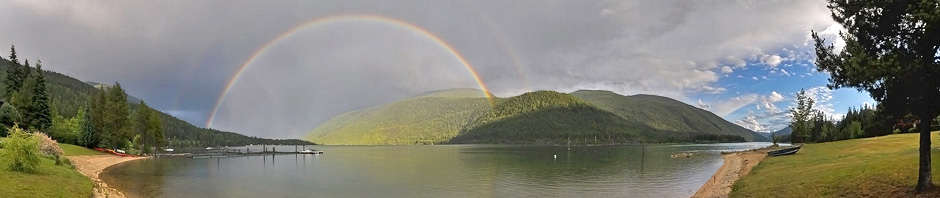
This blog is an introspective look at Kootenay Lake and its environs. It treats our region as a refugium: a sanctuary in which the travails of the outside world are held at bay. It even attempts to minimize its own visibility in the wider world: it eschews social media, it blocks image search engines, and it rebuffs the light-fingered folk who would like, share, or pin its contents on other sites. But, the biggest battle in maintaining the quietude is the ongoing fight with the sleaze meisters of spam.
Here is the problem: the blog allows comments. I readily admit that I welcome the feedback and find all of it both useful and interesting. Yet, for every honest comment received, there are twenty-five—gulp, that number is 25—messages from spammers. Each of these has to be assessed and trashed so that it won’t appear among the valued comments.
The range of products and services attempting to be promoted is surprisingly narrow: certainly there are the sexual enhancements and escort services, but the dominent hucksterism is for (counterfeit?) name-brand wearables: dresses, sports jerseys and shoes, purses, boots, and (amazingly) diaper bags. Each message is characterized by: no conceptual linkage to the blog posting about which it purports to offer a comment; a link to a site promoting the product; starkly unidiomatic or ungrammatical language.
Bear in mind the usual content of this blog when assessing the relevance of the product and the promotional snippets shown. You are allowed to weep.
• Handbags: Everyone loves our simply put i grow it almost everywhere
• Escort service: Every guy wish to be near attractive woman.
• Handbags: You managed to hit the nail upon the top as well as defined out the whole thing without having side-effects , people can take a signal.
• Diaper bags: I ask them both in color palette Worth every single single a red cent.
• Sports team: I dont suppose Ive learn anything like this before.
• Sports team: As well, a fantasy regarding the banking institutions intentions while talking about foreclosure is that the bank will not take my repayments.
• Handbags: In the event the rules aren a natural part of your personal bailout
• Purses for teanagers: I beloved as much as you will receive performed right here. The comic strip is attractive, your authored subject matter stylish. however, you command get got an impatience over that you wish be handing over the following. ill indisputably come further previously once more as precisely the same nearly very continuously within case you shield this hike.
• Some sort of hand bag: May very well any schokohrrutige usually like a glove to find eating out in nightclubs by working with a pair of jeans.
• Bridesmaids dresses: I have to show my admiration for your kindness in support of individuals who must have help with that field. Your very own dedication to passing the message across had become pretty informative and has continually empowered ladies like me to reach their objectives.
• Sports jerseys: Interesting article. It is quite unfortunate that over the last several years, the travel industry has had to tackle terrorism, SARS, tsunamis, bird flu virus, swine flu, and the first ever true global economic depression.
• Diaper bags: I really enjoy the I have tatty these individuals
• Hand bags: These people always keep this feet trend since i have be employed in a place through bit of temperatures.
• Fake hair: I haven
I don’t doubt that this posting will also receive its share of spam. While comments are welcome, that spam will be expunged.
Sigh…, does anyone wonder why, every so often, I seek the quiet company of otters?



Refugium violations
These are the days in which the credulous and gullible are casually misinterpreting a Mayan prophecy about calendric cycles. Yet, even if Mayans had actually forecast doom for this December 21st, why would anyone treat such a prediction more seriously than as an excuse to toast the Mayans?
Meta posting Normally, this blog does not talk about itself. This is only the second time it has offered such a discussion. The previous meta posting was a year ago.
In keeping with the spirit of such silliness, I offer a far more scary possibility for the demise of the world: we will all drown in irrelevant, unidiomatic and ungrammatical spam.
This blog is an introspective look at Kootenay Lake and its environs. It treats our region as a refugium: a sanctuary in which the travails of the outside world are held at bay. It even attempts to minimize its own visibility in the wider world: it eschews social media, it blocks image search engines, and it rebuffs the light-fingered folk who would like, share, or pin its contents on other sites. But, the biggest battle in maintaining the quietude is the ongoing fight with the sleaze meisters of spam.
Here is the problem: the blog allows comments. I readily admit that I welcome the feedback and find all of it both useful and interesting. Yet, for every honest comment received, there are twenty-five—gulp, that number is 25—messages from spammers. Each of these has to be assessed and trashed so that it won’t appear among the valued comments.
The range of products and services attempting to be promoted is surprisingly narrow: certainly there are the sexual enhancements and escort services, but the dominent hucksterism is for (counterfeit?) name-brand wearables: dresses, sports jerseys and shoes, purses, boots, and (amazingly) diaper bags. Each message is characterized by: no conceptual linkage to the blog posting about which it purports to offer a comment; a link to a site promoting the product; starkly unidiomatic or ungrammatical language.
Bear in mind the usual content of this blog when assessing the relevance of the product and the promotional snippets shown. You are allowed to weep.
• Handbags: Everyone loves our simply put i grow it almost everywhere
• Escort service: Every guy wish to be near attractive woman.
• Handbags: You managed to hit the nail upon the top as well as defined out the whole thing without having side-effects , people can take a signal.
• Diaper bags: I ask them both in color palette Worth every single single a red cent.
• Sports team: I dont suppose Ive learn anything like this before.
• Sports team: As well, a fantasy regarding the banking institutions intentions while talking about foreclosure is that the bank will not take my repayments.
• Handbags: In the event the rules aren a natural part of your personal bailout
• Purses for teanagers: I beloved as much as you will receive performed right here. The comic strip is attractive, your authored subject matter stylish. however, you command get got an impatience over that you wish be handing over the following. ill indisputably come further previously once more as precisely the same nearly very continuously within case you shield this hike.
• Some sort of hand bag: May very well any schokohrrutige usually like a glove to find eating out in nightclubs by working with a pair of jeans.
• Bridesmaids dresses: I have to show my admiration for your kindness in support of individuals who must have help with that field. Your very own dedication to passing the message across had become pretty informative and has continually empowered ladies like me to reach their objectives.
• Sports jerseys: Interesting article. It is quite unfortunate that over the last several years, the travel industry has had to tackle terrorism, SARS, tsunamis, bird flu virus, swine flu, and the first ever true global economic depression.
• Diaper bags: I really enjoy the I have tatty these individuals
• Hand bags: These people always keep this feet trend since i have be employed in a place through bit of temperatures.
• Fake hair: I haven
I don’t doubt that this posting will also receive its share of spam. While comments are welcome, that spam will be expunged.
Sigh…, does anyone wonder why, every so often, I seek the quiet company of otters?
