Red Crossbill and Pine Siskin


I don’t often see the Red Crossbill and the Pine Siskin because each species wanders far. They eat seeds from the recent cones of mature coniferous forests. The crossbill will nest whenever it finds a rich crop. The siskin is a more regular nester in time, but variable in place. Each of these finches will occasionally flock with the other.

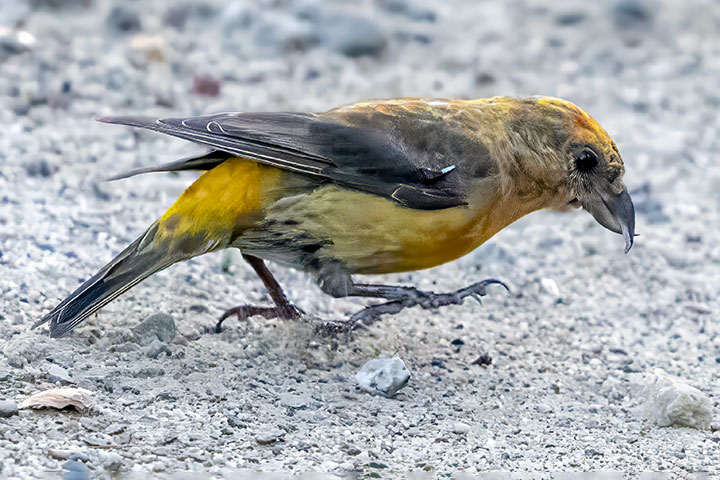
The Red Crossbill is a bird with an unusual crossed bill. The upper mandible might cross to either the right or left. It evolved this way to facilitate extracting the seeds of cones. The crossed tips act as levers, allowing the crossbill to pry the cone scales open. The slightly smaller Pine Siskin, while it likes the same seeds, lacks this bill refinement.

Many dozens of these two species were eating gravel at ground level yesterday. Gravel is consumed because birds lack teeth and the small stones help to break down the plant fibres and may supply some nutrients. 

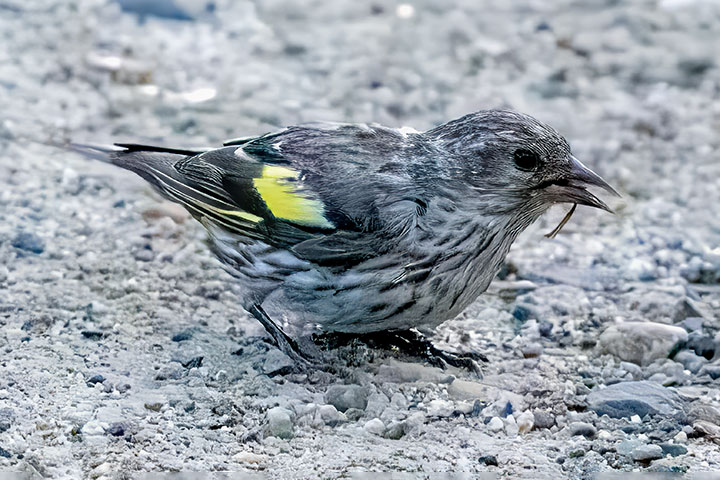
A female Red Crossbill (which has a yellowish colour) is eating gravel. The upper mandible of this bird crosses to the right, but some cross to the left. Note the outstretched tongue.
A Pine Siskin is on the ground similarly eating gravel.
The female crossbill is on the left and the male is on the right. The siskins are in front.
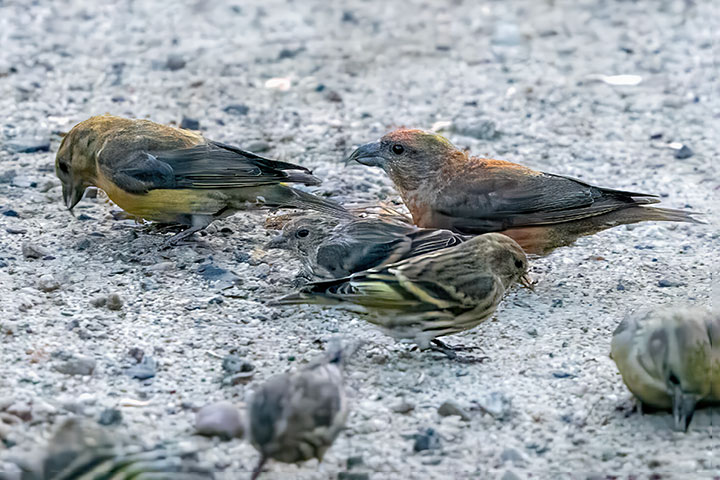
This is a small portion of the large flock of crossbills and siskins.

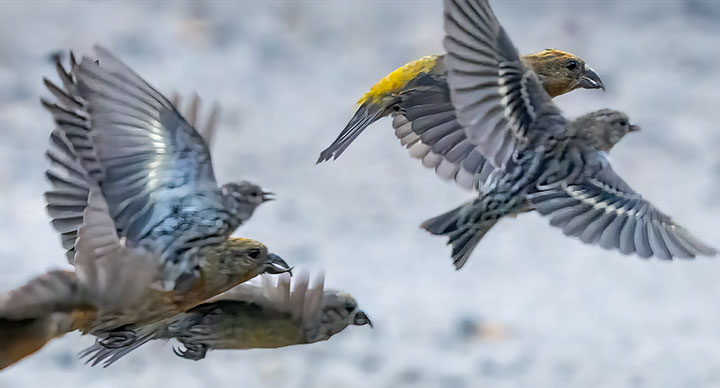
These species spend most of their time high in trees. It is to those heights they return.
 

Posted in birds | Comments Off on Red Crossbill and Pine Siskin

Osprey and fish


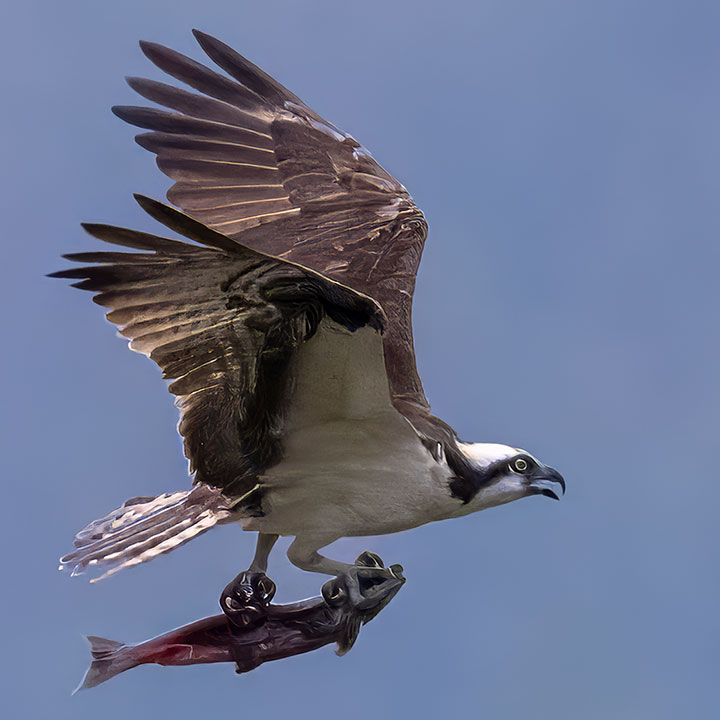
In the last few days and in probably the last osprey shot of this year, I have twice seen an osprey packing a fish. Neither was as close or detailed as the earlier one, but were satisfactory none the less. 

Yet, there is a question of why, for these pictures and the earlier one, the flying osprey has its mouth open. This seems often to be the case with a osprey carrying a fish.

The fish is a Kokanee.

Also a Kokanee fish, this one was taken just as the sun got up.


Posted in birds, fish | Comments Off on Osprey and fish

Sabine’s still here and


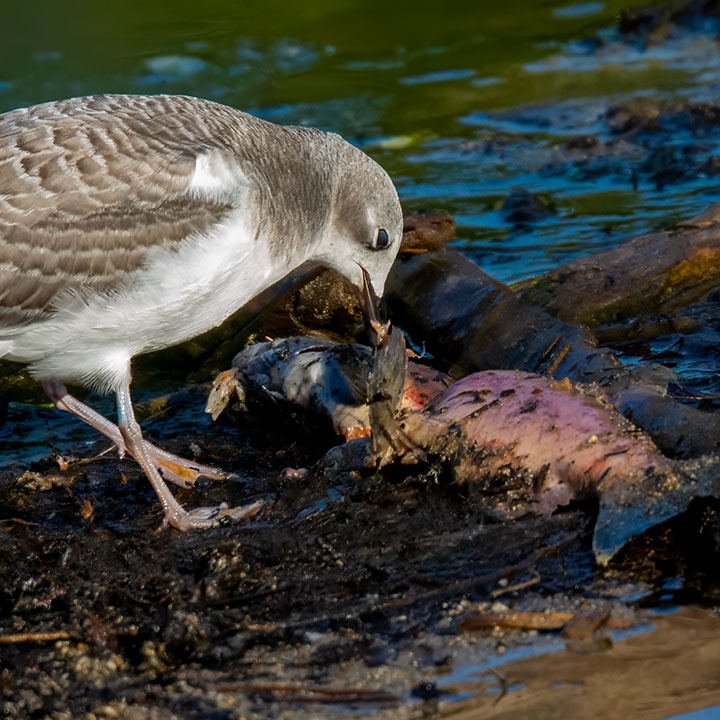
Last Saturday, we found a Sabine’s Gull at Kokanee Park. This bird was an unusual visit. Some birders made a trip to the park to see it on Monday. To our surprise, it was still there yesterday (just below the spawning channel). It was spending its time to feed midst a long migration. 

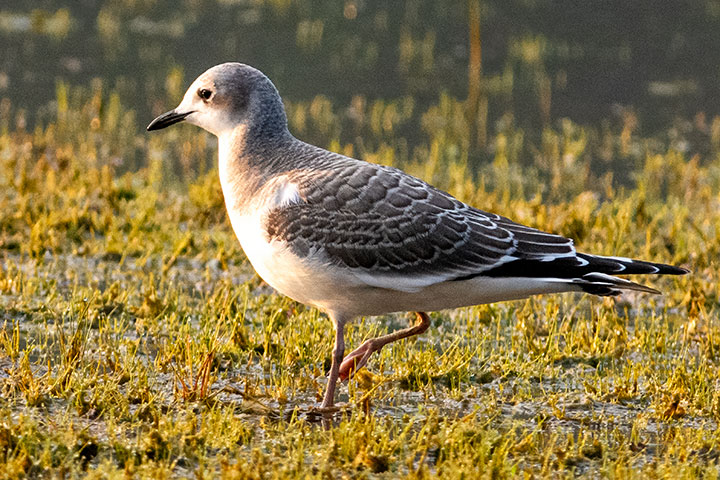
The Sabine’s Gull walks in the creek shallows on Wednesday morning.

It feeds  on snippets.

And on dead fish. Photo by Dorothy Fraser.

On the same jaunt we saw a Savannah Sparrow just before it migrates south.


Posted in birds, fish | 2 Comments

Harrier chasing


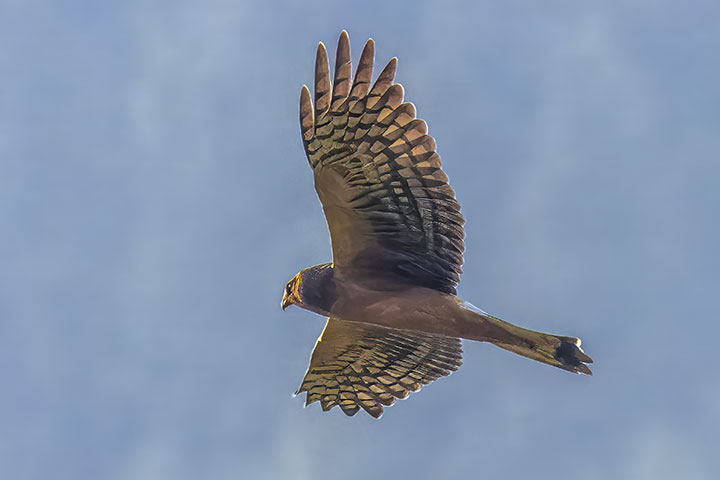
I do not see the Northern Harrier often and usually only when it is migrating through the area. The last time was two years ago. But, this was the first time that I have seen it actively chasing a raven.

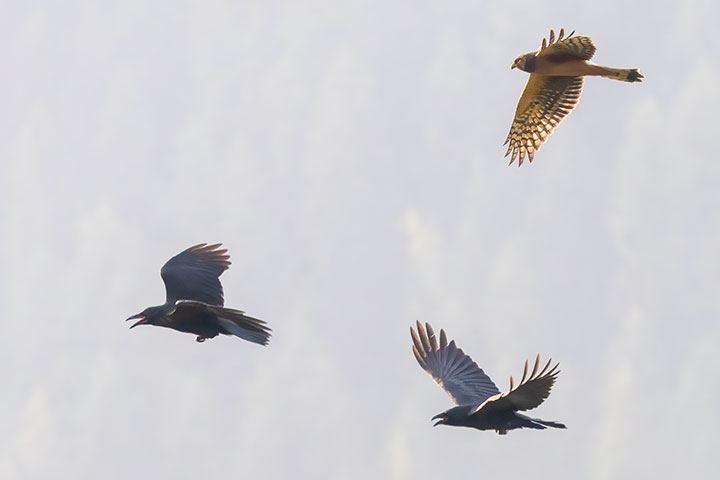
There is a little irony in this observation f0r many ravens were hunting and eating fish along Kokanee Creek and its spawning channel. Suddenly the ravens were themselves being hunted. The harrier wasn’t interested in the fish, it wanted to catch and eat a raven.

A Northern Harrier eyes some ravens below. 

The harrier gave chase. The result was not witnessed, as they all flew out of sight.


Posted in birds | 1 Comment

Juvenile Bald Eagle


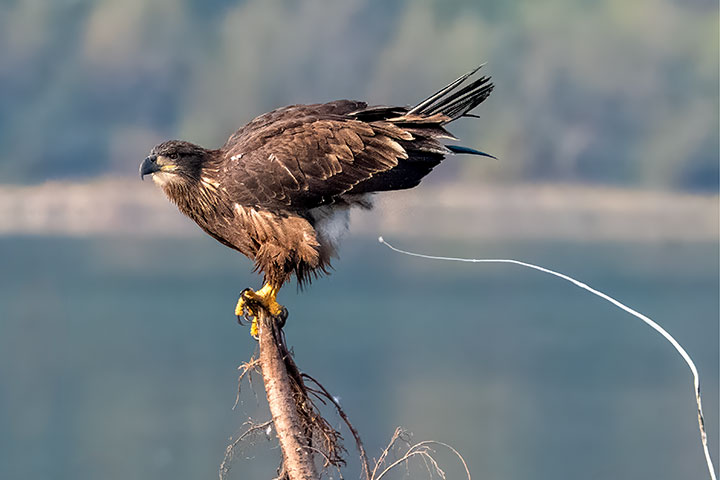
A juvenile Bald Eagle sits, poops, and flies.

This Bald Eagle is one to two years old. It had been hunting from a perch for a while.

In preparation for flying, the eagle lightens its load by pooping.

And then it flies off.


Posted in birds | 5 Comments

Sabine’s Gull


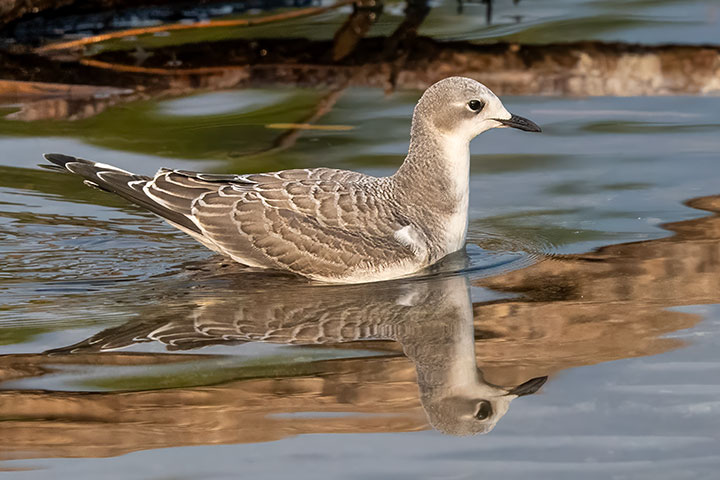
Sabine’s Gull is born along the Arctic Coast and spends its winters mainly along the Pacific Coast. It does not belong here. And yet here it was this Saturday.

Well fair’s, fair. While most migrate over oceans, some individuals do migrate far inland. And that seems to be how we came to have these juveniles. A few others have been recorded here in the past few years (one by Paul Prappas in 2018). Yet, it was new to us.

A juvenile Sabine’s Gull searches for food along the Kokanee Park coastline. Photo by Cynthia. 

Then nearly an hour later and 50 metres away, it (or a sibling) was seen again.


Posted in birds | 2 Comments

Bear and fish


I keep my eyes open for bears, but have rarely seen them this year. But, now and then…

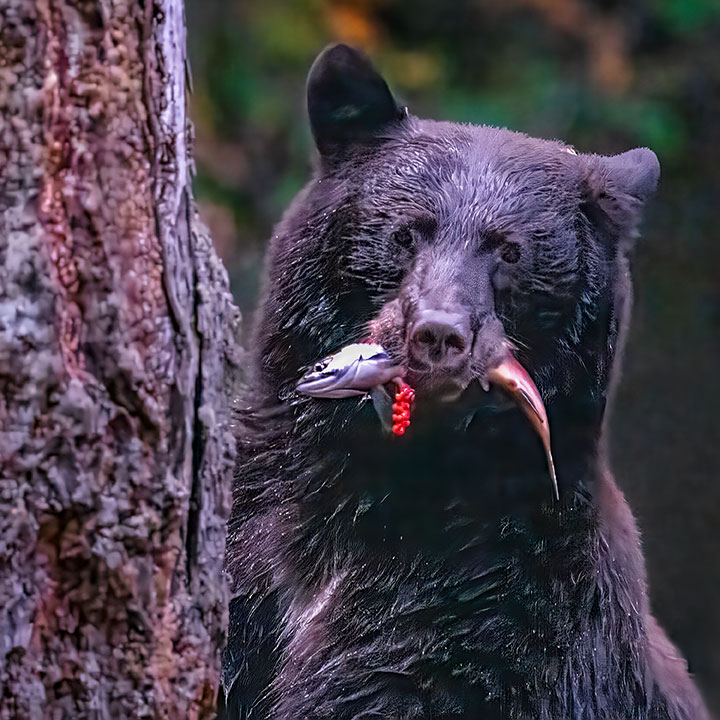
A black bear holding a fish stands and looks to one side before vanishing behind the tree.


Posted in mammals | 1 Comment

Heron and

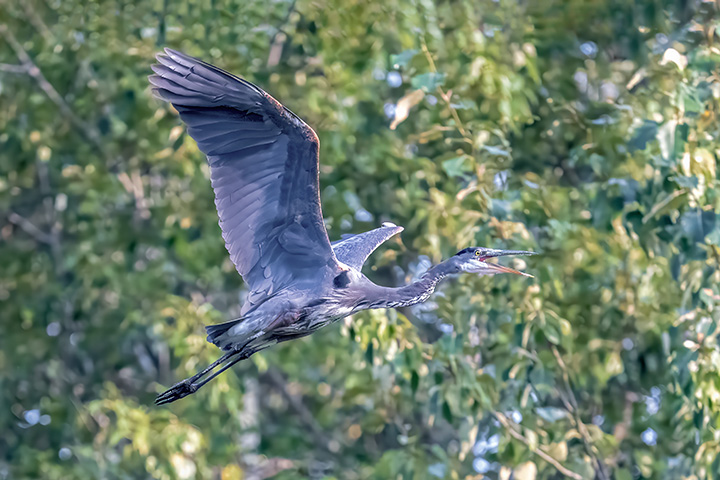
I saw a group of herons by the lakeside. Now, the Great Blue Heron is a solitary creature during the fall and winter, so this was presumably a group of siblings. At first I notice two together, but in all counted five but not always close together.

Two juvenile Great Blue Herons on the lake.

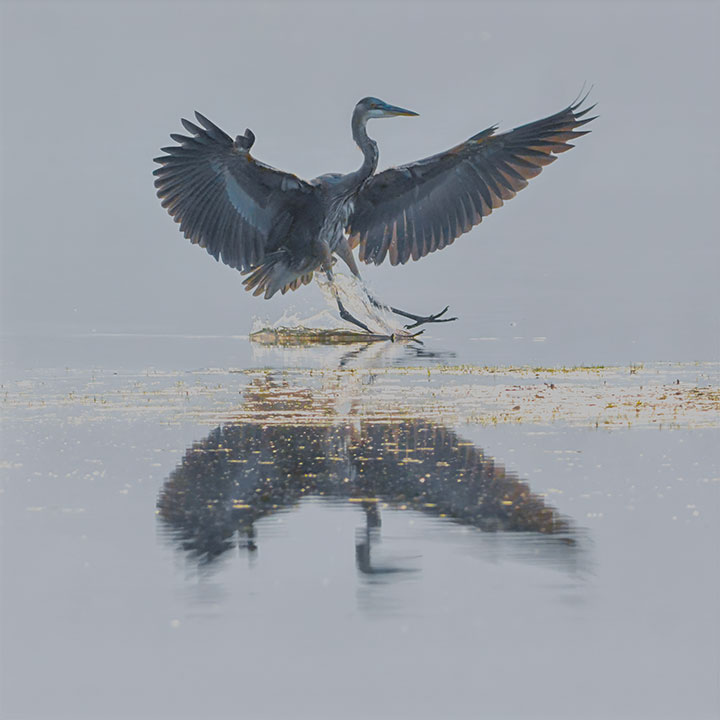
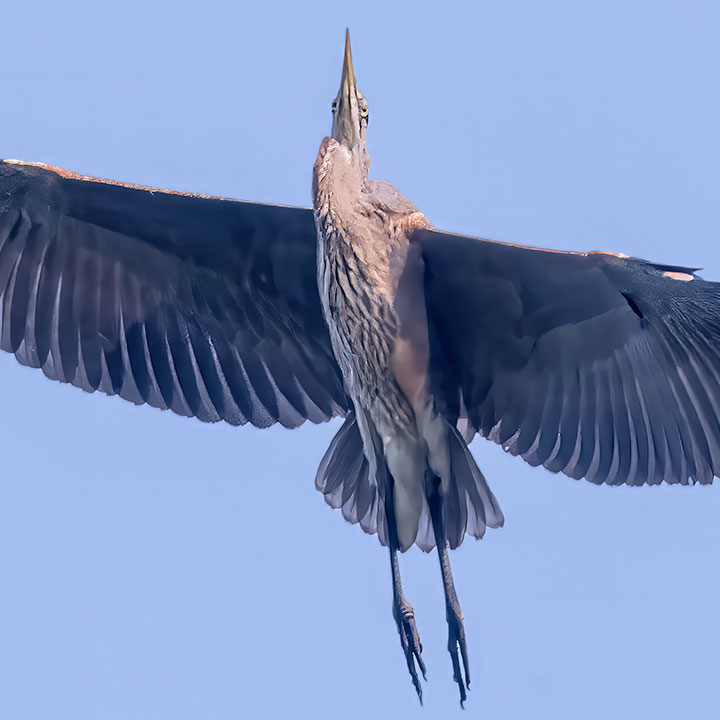
A heron landing is slowed by dragging feet, but maintained lift by deploying its alula on its wings. The alula are the short feathers in the centre top of the wing. Photo by Cynthia.

Some herons were seen in the the direction of the land.

A characteristic of young birds is that they are frequently curious about humans. This one flew right over me always looking down. When they are older, herons just fly away.

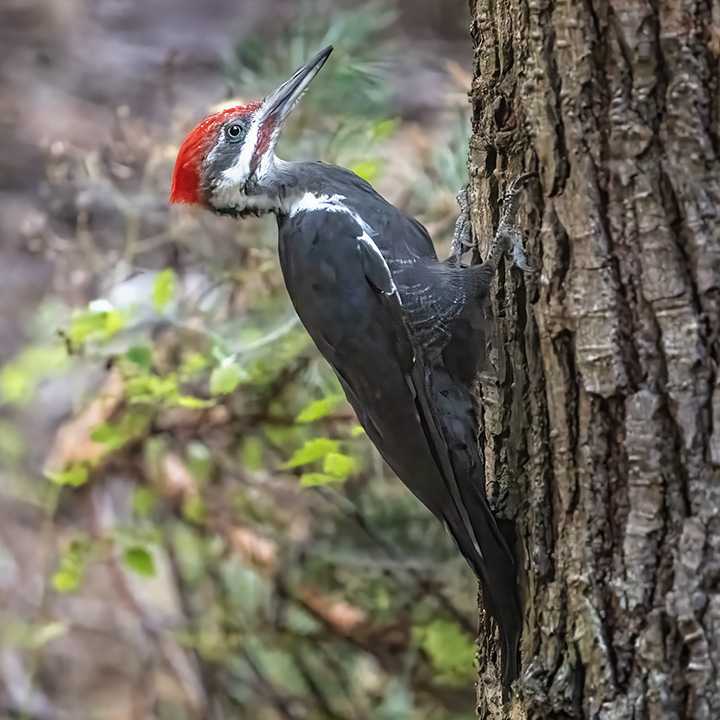
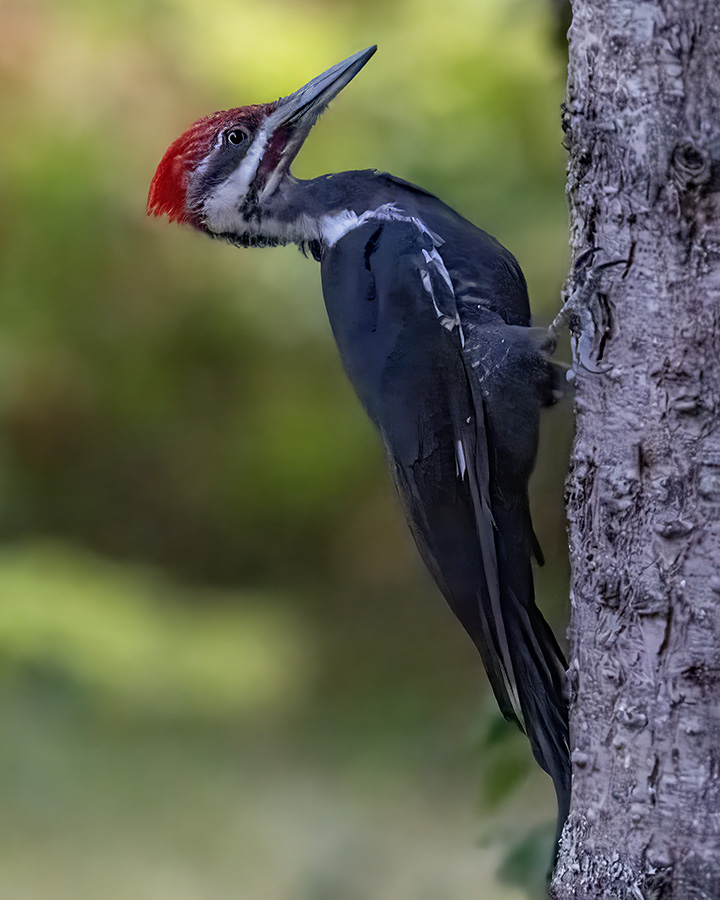
Two days ago, I published a blog that showed a juvenile male Pileated Woodpecker (blog.kootenay-lake.ca/?p=34868). It had only the faintest red moustache and yellow eyes. Now, either it 0r a brother has more developed features.

Posted in birds | 8 Comments

Pileated Woodpecker


Like many birds, the Pileated Woodpecker is now encouraging its young to fly around. 

This male Pileated Woodpecker is likely a juvenile. Its crest is a bit small, its moustache is only slightly red, and its eyes have only the faintest touch of  yellow. Also, it did not seem to know how to find food on a tree.


Posted in birds | 1 Comment

Bear fishing


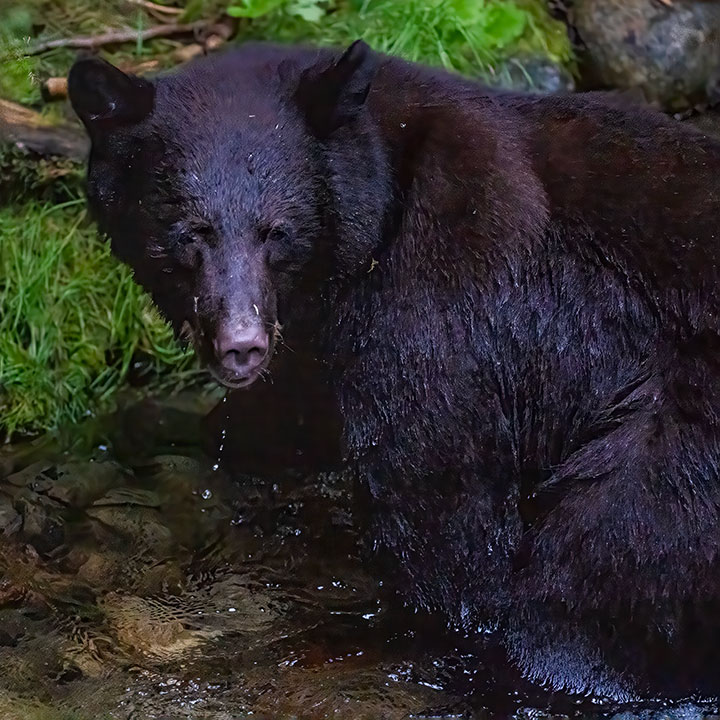
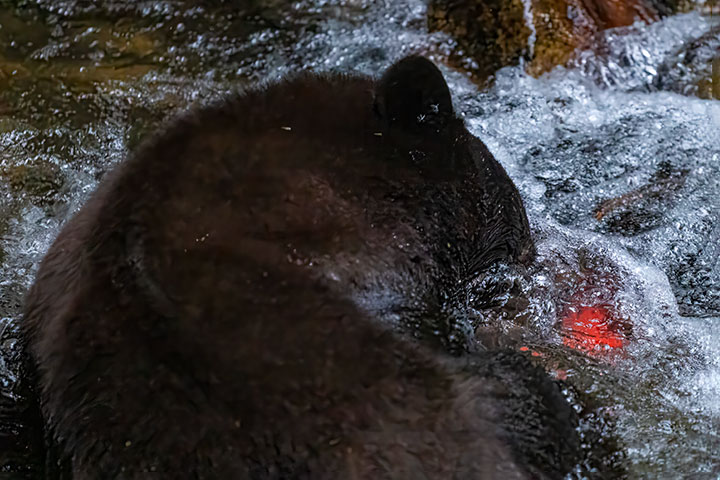
In the early hours of this morning, a small black bear visited a spawning creek. It was certainly not the first bear to visit, only the first I had seen. It tried fishing, but I did not see it catch anything before wandering off.

The black bear pauses while trying to catch fish in the creek. During dips in the water, it hasn’t wetted a small portion of its back, which looks lighter brown.

It tried to capture the redfish Kokanee, but apparently failed.


Posted in fish, mammals | 2 Comments